
Pisa: Guida Completa a Piazza dei Miracoli, Monumenti e Itinerari Autentici (EN)
Discover the complete tourist guide to Pisa: itineraries, monuments, accommodations, and local dishes.
The city’s origins trace back to ancient Etruscan and Ligurian populations, evidenced by exceptional archaeological finds within the urban area. Becoming an important Roman naval base under the name Colonia Iulia Obsequens Pisana, Pisa reached its zenith in the Middle Ages as a glorious Maritime Republic. Dominating trade routes in the western Mediterranean alongside Genoa, Venice, and Amalfi, Pisa used its immense wealth to create a unique architectural style: Pisan Romanesque, a masterpiece of polychrome marbles, suspended-arched loggias, and harmonious proportions.
Beyond its monumental prestige, Pisa is a European hub of scientific and academic excellence. It was the birthplace of Galileo Galilei, home to the University of Pisa (founded in 1343 by Pope Clement VI), and hosts two world-renowned higher education institutions: the Scuola Normale Superiore and the Scuola Superiore Sant'Anna.
---
### Walking Itinerary & What to See: Art, Alleys & Monuments
#### Morning: The Grandeur of the Field of Miracles
The ideal visit begins at Piazza dei Miracoli (Piazza del Duomo), designated a UNESCO World Heritage Site in 1987. On the verdant emerald lawn rise four absolute masterpieces of medieval art:
- The Leaning Tower: A 56-meter-tall bell tower of the cathedral, begun in 1173 under the design attributed to Bonanno Pisano or Diotisalvi. Its famous tilt, caused by the collapse of the sandy-clay alluvial ground, makes it a marvel of engineering and universal charm. Climbing the 251 steps of the internal spiral staircase offers a breathtaking view of the city’s rooftops and the surrounding plain.
- The Cathedral of Santa Maria Assunta: The primary masterpiece of Pisan Romanesque, designed by architect Buscheto in 1063 and expanded by Rainaldo. Its façade features four tiers of open loggias, the bronze doors by Bonanno Pisano, and the grand 14th-century marble pulpit by Giovanni Pisano—unmatched peaks of Western sculpture.
- The Baptistery of San Giovanni: With a circumference of 107 meters, it is the world’s largest Christian baptistery. It blends Romanesque style at the base with Gothic loggias above, enriched by Nicola and Giovanni Pisano, boasting exceptional acoustics that custodians periodically demonstrate by singing notes that resonate under the dome.
- The Monumental Cemetery: A Gothic cloister of extraordinary elegance, housing Roman sarcophagi and the famous 14th-century fresco cycles of The Triumph of Death by the Master of the Triumph of Death (attributed to Buonamico Buffalmacco).
#### Afternoon: From the Renaissance of the Knights to Historic Riverside Promenades
Leaving Piazza dei Miracoli through the monumental Porta Nuova, you enter the Renaissance and university heart of the city, leading to Piazza dei Cavalieri. Redesigned in the mid-16th century by Giorgio Vasari at the behest of Cosimo I de’ Medici as the seat of the Order of the Knights of Santo Stefano, the square is dominated by the majestic Palazzo della Carovana (home of the Scuola Normale Superiore), its graffiti-decorated façade, the Church of Santo Stefano dei Cavalieri, and the Palazzo dell’Orologio, which incorporates the ancient Torre della Fame where Count Ugolino della Gherardesca died—immortalized by Dante in the 33rd canto of Inferno.
Continuing along Borgo Stretto, the medieval pedestrian street lined with loggias and historic shops, you reach the Ponte di Mezzo and the splendid stretch of Pisan Riverside Promenades. Here, noble palaces reflect in the Arno’s waters. On Lungarno Gambacorti stands the charming Church of Santa Maria della Spina, a tiny Gothic jewel of the 14th century adorned with spires and tabernacles. Near the train station, on the exterior wall of the Sant’Antonio Abate convent, you can admire Tuttomondo, Keith Haring’s 1989 mural dedicated to universal peace.
#### Sunset Panorama: The Walk Along the Historic Walls
To cap the day, an unforgettable experience is a stroll along the Pisan Historic Walls: over 3 kilometers of perfectly restored medieval walls, accessible from various gates (including Torre Santa Maria in Piazza dei Miracoli). From an elevation of 11 meters, you enjoy a unique and evocative perspective of the white marble monuments bathed in the golden light of sunset, with views stretching to the Monti Pisani and the coastal pine forest.
---
### Excursions & Villages Within 15 km
Thanks to its central location in the Arno plain, Pisa is the ideal base for authentic excursions within a few kilometers:
- San Giuliano Terme (6 km): A historic thermal spa renowned since Roman times and beloved in the 18th century by poets and grand dukes (the "Pisa Baths"). The municipality is dotted with magnificent noble villas and natural trails on the Monti Pisani.
- Calci and the Monumental Certosa (10 km): Nestled in the green Valgraziosa, the village of Calci hosts the magnificent Certosa di Calci, one of Italy’s grandest Baroque certosine complexes, founded in 1366, and houses the rich Natural History Museum of the University of Pisa.
- Cascina (13 km): Founded along the left bank of the Arno, it preserves medieval fortified walls and is historically celebrated as the Tuscan capital of woodcraft and designer furniture.
- Vicopisano (15 km): An authentic fortified medieval village guarding an intact heritage of noble towers and the famous Rocca del Brunelleschi, a 15th-century masterpiece of fortified military architecture.
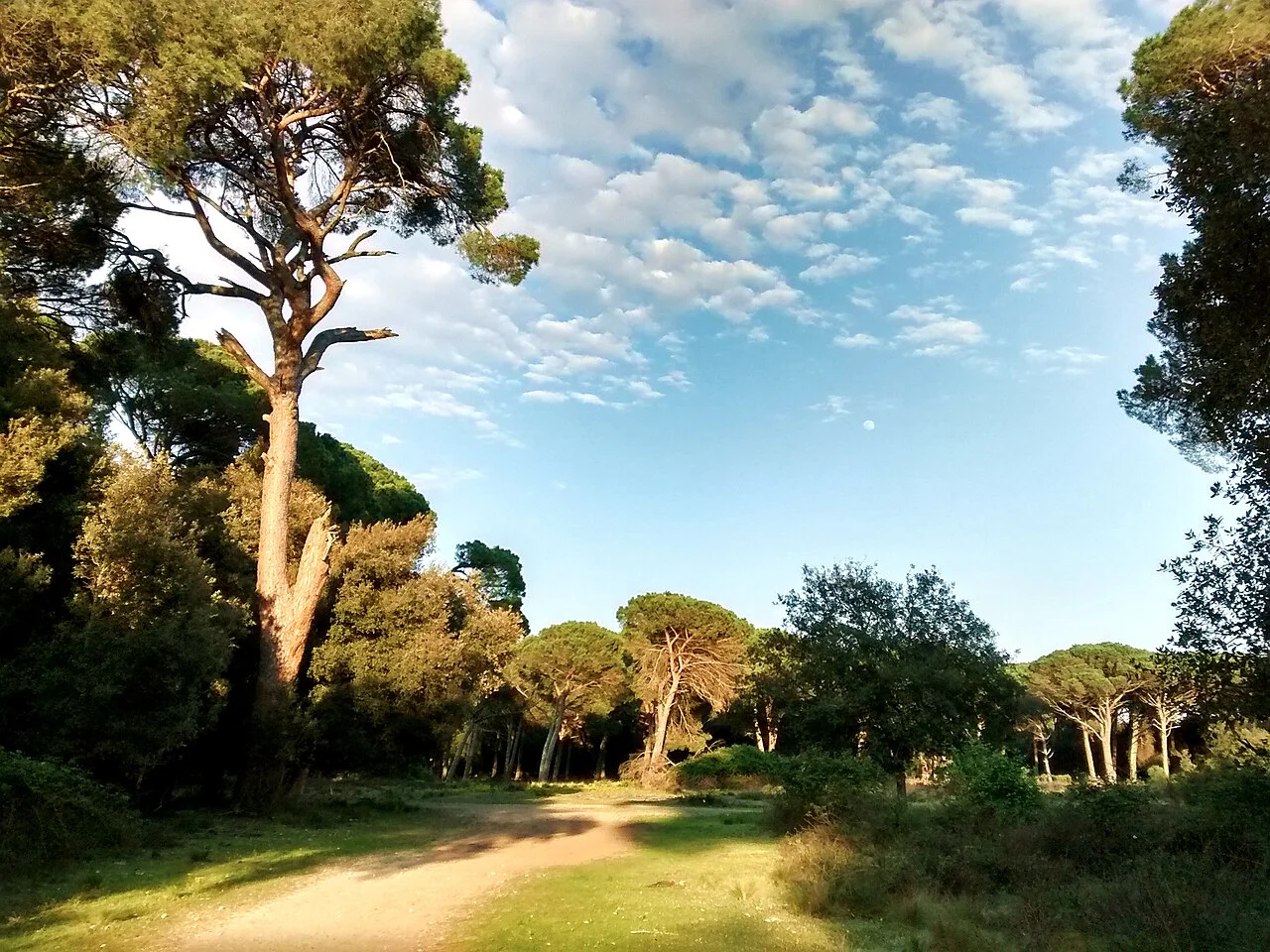
- Migliarino San Rossore Massaciuccoli Natural Park (3–5 km west): A vast protected oasis leading directly to the sea, featuring ancient pine avenues, natural beaches, historic dromedaries, and lacustrine ecosystems ideal for hiking, cycling, or horseback riding.
---
### Where to Stay in Pisa: Central & Countryside Accommodations
Pisa offers an excellent and diverse range of accommodations catering to cultural tourists, students, conference attendees, and business travelers. The local census counts over 450 verified and active hospitality structures in the municipality, with a solid adherence to the National Identification Code (CIN), ensuring transparency, compliance with safety standards, and service quality.
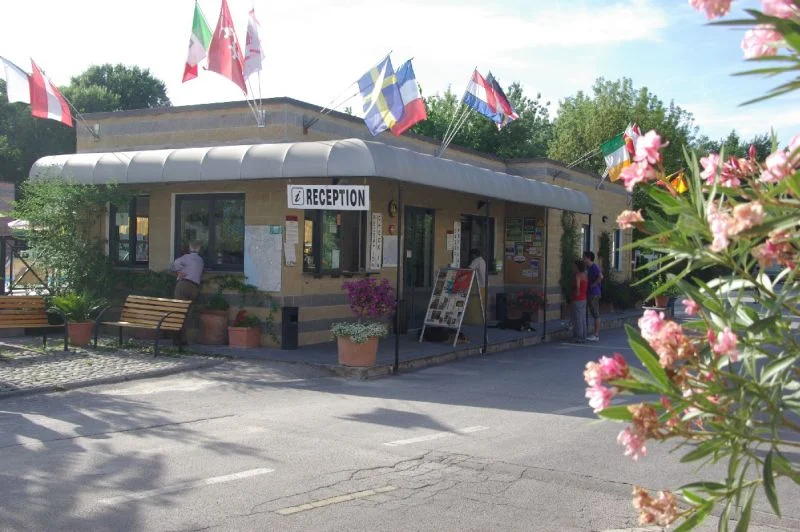
For those who prefer walking without transportation, the most convenient option is staying in central neighborhoods like Santa Maria, San Francesco, or Sant’Antonio, offering boutique hotels in historic Lungarni palaces and cozy bed & breakfasts near Borgo Stretto. Those seeking a quieter, nature-connected setting can choose agriturismos and countryside relais near the Monti Pisani, San Giuliano Terme, or the San Rossore estate—ideal for family stays and cycling enthusiasts.
---
### Authentic Flavors & Local Tuscan Cuisine
Pisan culinary tradition is rooted in the rustic cuisine of land and sea typical of the coast and Arno Valley:
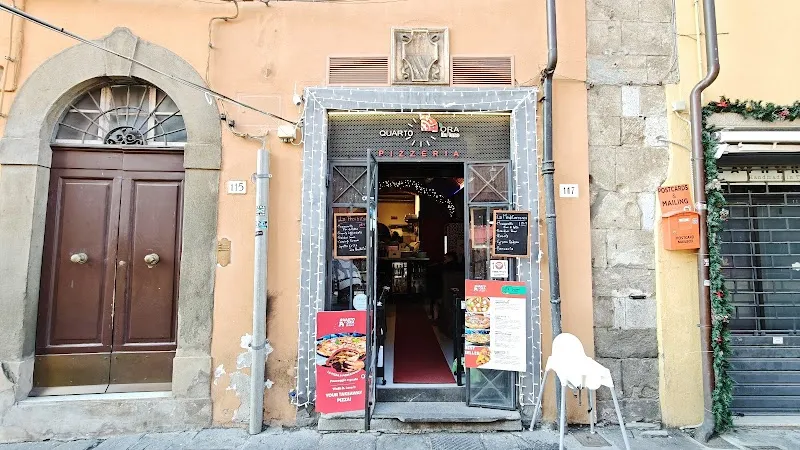
- Cécina: A thin savory flatbread made from chickpea flour, water, salt, and extra virgin olive oil, baked in large round copper trays over wood. In Pisa, it’s a ritual to enjoy hot, often sprinkled with fresh black pepper and served in a classic Tuscan focaccia.
- Bordatino alla pisana: An ancient peasant and maritime soup made with cannellini bean broth, local kale, sautéed vegetables, and yellow cornmeal, achieving a creamy, enveloping consistency.
- Pappa al Pomodoro & Ribollita: Two Tuscan table staples based on the clever use of stale Tuscan bread ("sciocco," unsalted), winter kale, beans, and a generous drizzle of Monti Pisani IGP extra virgin olive oil.
- Mucco Pisano: A prized autochthonous bovine breed raised in the San Rossore estate. Its tender, flavorful meat stars in grilled steaks, ragùs, and traditional stews.
- Torta coi Bischeri: Pisa’s symbolic dessert, traditionally prepared for Ascension Day. It’s a shortcrust tart with rolled edges ("bischeri"), filled with aromatic boiled rice, dark chocolate, cocoa, raisins, candied fruit, liqueur, and the famous organic pine nuts from the San Rossore Park.
- Wines of the Colline Pisane DOC & Vin Santo: Perfect pairings with almond cantucci or to accompany game dishes and pecorino cheeses from the surrounding hills.
---
### Traveler Decision Matrix
| Traveler Profile | Priority | Recommended Experience | Ideal Accommodation |
|---------------------------|---------------------------------------|------------------------------------------------------------------------------------------|------------------------------------------------------------------------------------------|
| First-Time Urban Visitor | Piazza dei Miracoli, Leaning Tower, Historic Center | Climb the Tower, visit the Cathedral, Camposanto, and walk the medieval walls to Piazza dei Cavalieri | 3–4-star hotel or B&B in the historic center (Santa Maria or San Francesco districts) |
| Families & Groups | Open spaces, accessibility, educational paths | Visit the Baptistery (with acoustic demo), horseback or bike ride in the San Rossore Estate | Vacation apartment with kitchen or agriturismo with park near San Giuliano Terme |
| Art & Food Enthusiast | Prestigious museums, typical foods, traditions | Museo Nazionale di San Matteo, Certosa di Calci, tasting of Cécina and Torta coi Bischeri | Historic manor or luxury relais on the Pisan Lungarni |
| Business & Transit | Speed of transport, proximity to Train Station and PSA Airport | Quick evening stroll along the Lungarni and dinner at a trattoria near Piazza delle Vettovaglie | Modern hotel near Pisa Centrale Station or adjacent to the PisaMover terminal |
---
### Practical Tips & Logistics for Your Visit
- Access to ZTL: The historic center of Pisa is within a Traffic Restricted Zone (ZTL) monitored by 24/7 electronic gates. Guests staying inside must pre-notify their license plate for a temporary permit. Main paid and free parking lots are in Via Pietrasantina (10-minute walk from the Tower) and Via Cammeo.
- Leaning Tower Booking: Access is limited to 30-minute slots. Book tickets well in advance, especially between April and October and during holidays.
- Walking: Pisa is flat and entirely walkable. The distance from Pisa Centrale Station to Piazza dei Miracoli is just 1.8 km (20–25 minutes at a leisurely pace via Corso Italia, Ponte di Mezzo, and Borgo
What to See in Pisa
Parc Migliarino San Rossore
Parco Migliarino San Rossore
Parco Migliarino San Rossore Massaciuccoli
San Rossore
Where to Stay in Pisa


Where to Eat in Pisa


❓ Domande Frequenti e Consigli Utili
Dove dormire a Pisa? Hotel in centro, B&B e agriturismi
Cosa vedere a Pisa in un giorno o nel weekend?
Dove mangiare a Pisa? Ristoranti, osterie e piatti tipici
Aziende, negozi e servizi utili a Pisa?
B&B a Pisa con parcheggio: come evitare la ZTL?
Cosa fare a Pisa con i bambini o in caso di pioggia?
Download the Free Complete Guide to Pisa
Includes city center maps, attraction opening hours and ticket prices, recommended itineraries, and direct contacts of top accommodations and restaurants.
Do you manage an accommodation or a blog in Pisa?
Offri un servizio utile ai tuoi ospiti: inserisci sul tuo sito web il link alla Guida di Pisa per arricchire la tua offerta turistica.
Pisa
Access the complete overview to browse all available accommodations, restaurants, interactive map, and photos of the area:
Map Attrazioni Pisa 6 luoghi vicini
Esplora liberamente i confini, le peculiarità e i punti di interesse.Our Network Portals
Explore this area through the dedicated portals of our tourism network:
